Buying a New Stainless Steel Tank: What We've Learned Across Food, Drinks and Chemical Production
We've spent years specifying and sourcing stainless steel tanks for producers across food manufacturing, chemical processing, beverage production and distilling. Every sector asks for the same basic thing, a vessel that does its job without giving anyone a reason to think about it again, but what actually matters to get there changes depending on what's going through the tank.
This is a rundown of the things we've seen catch buyers out, and what's worth checking before an order goes in.
Getting the material grade right
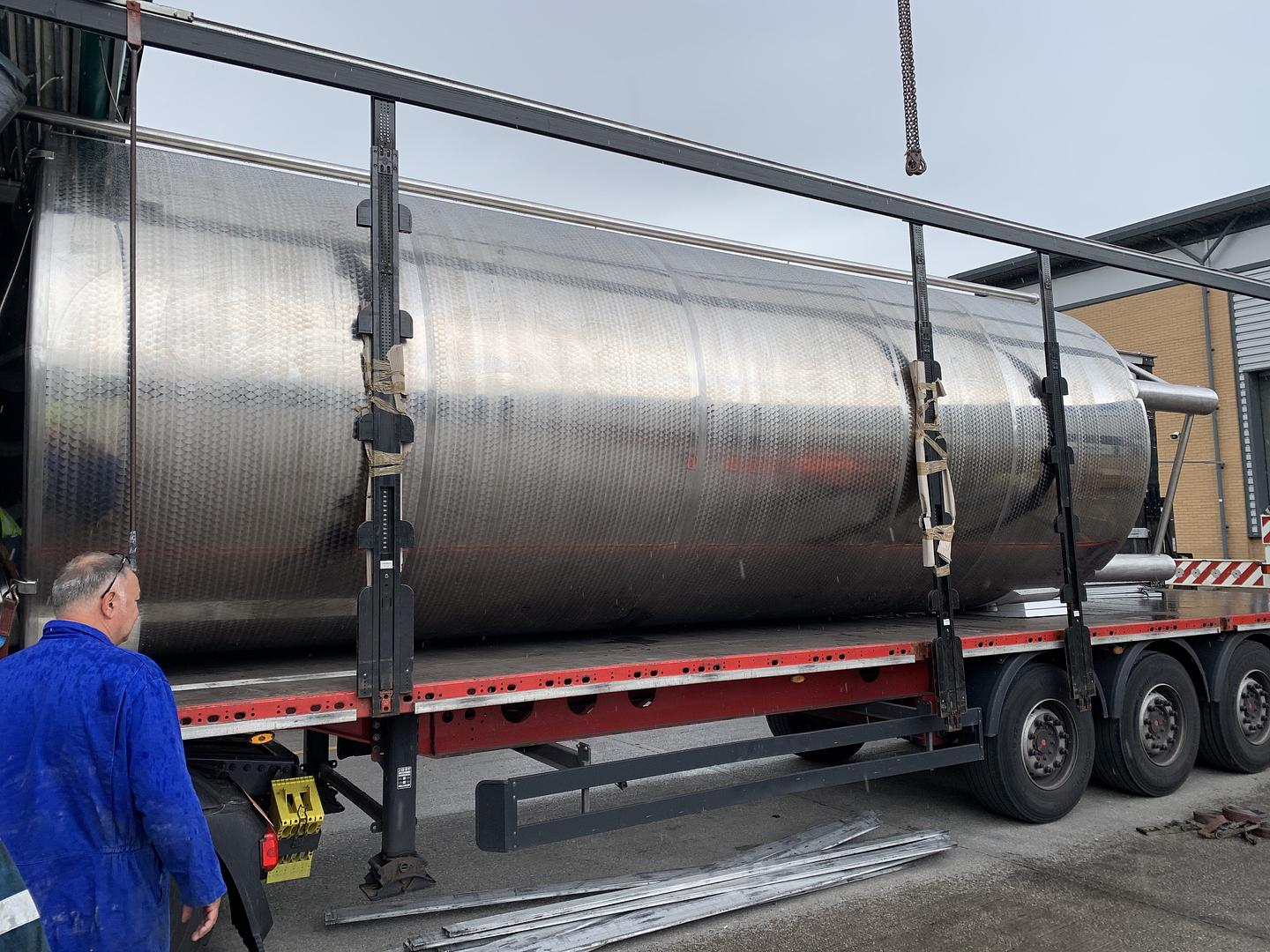
304 stainless steel covers most general storage and handling. 316, and specifically 316L, earns its higher price where the product or the cleaning regime is more aggressive: dairy, anything acidic, anything chlorinated in the CIP cycle, and most chemical applications. The mistake we've seen most often isn't picking the wrong grade outright, it's specifying 304 because it's cheaper without checking whether the cleaning chemicals or the product itself will shorten the tank's working life. That's a saving on the invoice that costs more later.
For chemical processing specifically, grade selection needs to go further than food and drink. The wrong grade against the wrong chemical doesn't wear out gradually, it fails. Worth confirming compatibility against the actual process chemistry, not just "stainless steel" as a category.
Sizing it for the process, not just the brief
A tank sized off a single number, usually capacity, tends to disappoint once it's running. A distillery batch tank needs headroom for foam and reaction, not just the liquid volume. A dairy or beverage storage tank needs to account for CIP flow and drainage angles, or cleaning takes longer than the production run it's supporting. A chemical process vessel often needs to be specified around agitation and heat transfer, not just how much it holds.
The producers who get the best result are the ones who bring their actual process detail to the conversation early, not just a target litre figure.
The quality checks that actually matter
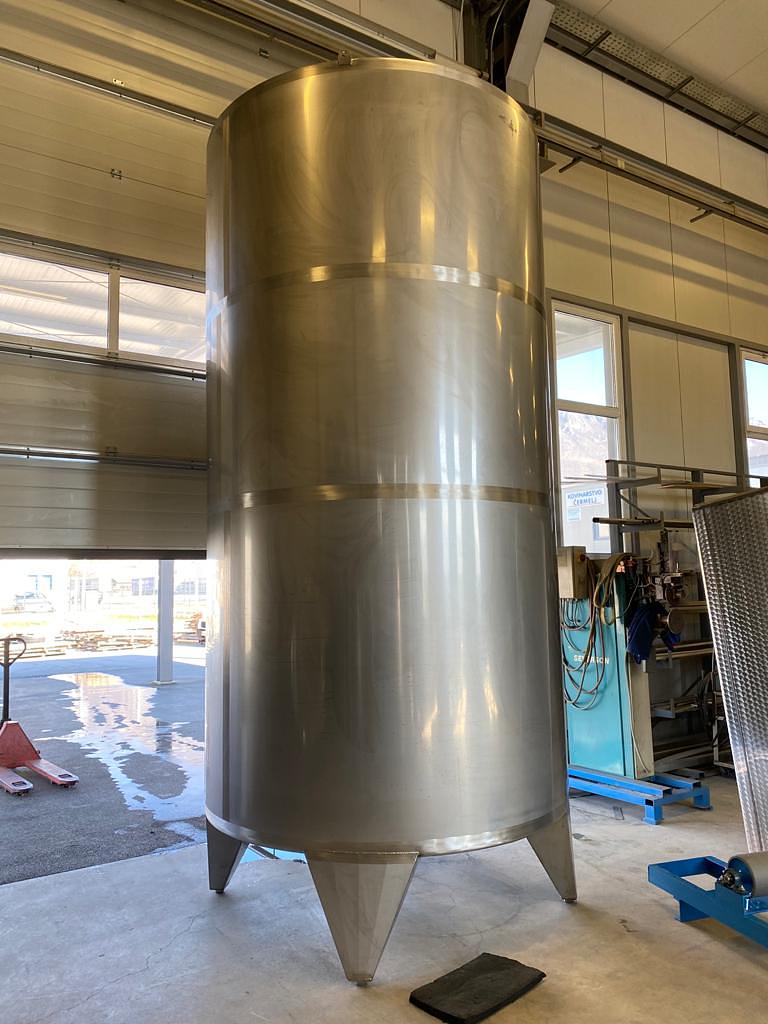
This is the one that's easy to skip and expensive to skip. A tank can look right on the shop floor and still carry a weld that won't hold, a surface finish that traps product residue, or a certificate that doesn't actually match the vessel in front of you.
What we check as standard now, on every order:
- Material certification, traceable back to the actual heat number, not a generic grade statement
- Weld inspection, visual and dye penetrant, not a visual check alone
- Dimensional and capacity verification against the drawing before it ships
None of this is unusual to ask for. It's unusual for it to actually happen consistently, which is the part worth pushing a supplier on before the order is placed, not after the tank arrives.
Lead time, realistically
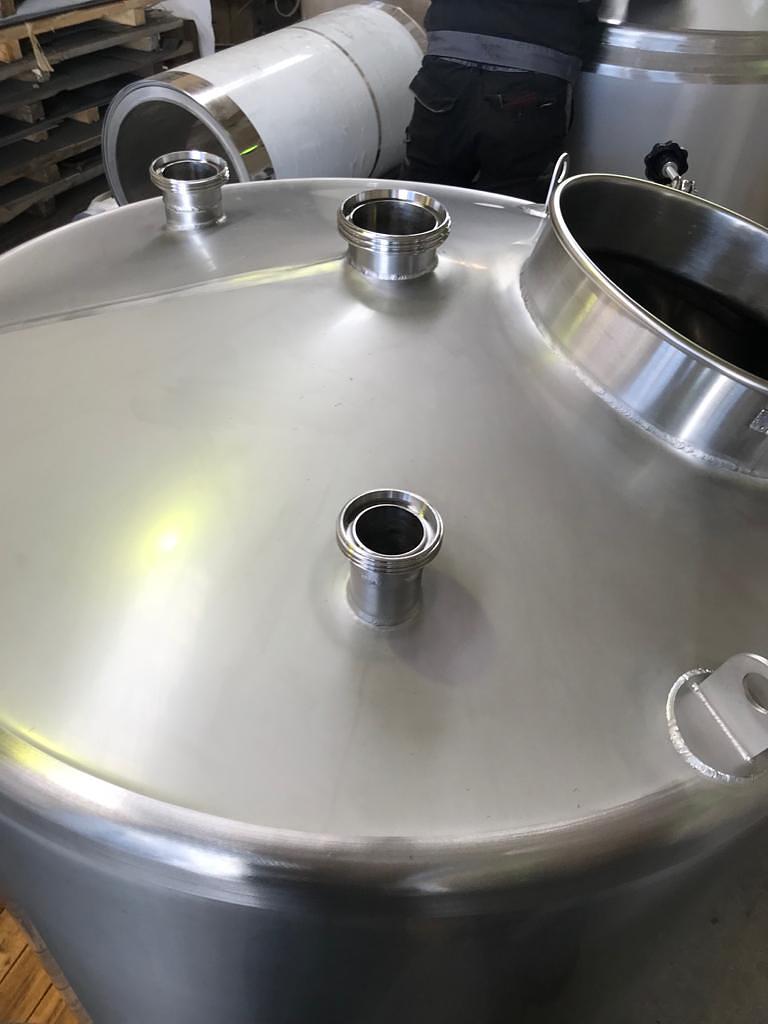
New-build lead times get quoted optimistically more often than they get quoted accurately. As a general figure, a straightforward new stainless tank runs to around 12 weeks from order confirmation, moving depending on specification complexity and where it lands in the supplier's order book. Anything quoted well under that for a genuinely custom vessel is worth a second question, not a reason to celebrate.
A short checklist before you order
- Confirm material grade against your actual product and cleaning chemistry, not just sector convention
- Bring real process detail (batch size, agitation, thermal requirements, CIP flow) to the spec conversation, not just capacity
- Ask for material certification traceable to heat number as standard, not as an extra
- Confirm what inspection happens before the tank ships, and get it in writing
- Get a realistic lead time, and ask what happens to that date if the specification changes mid-order
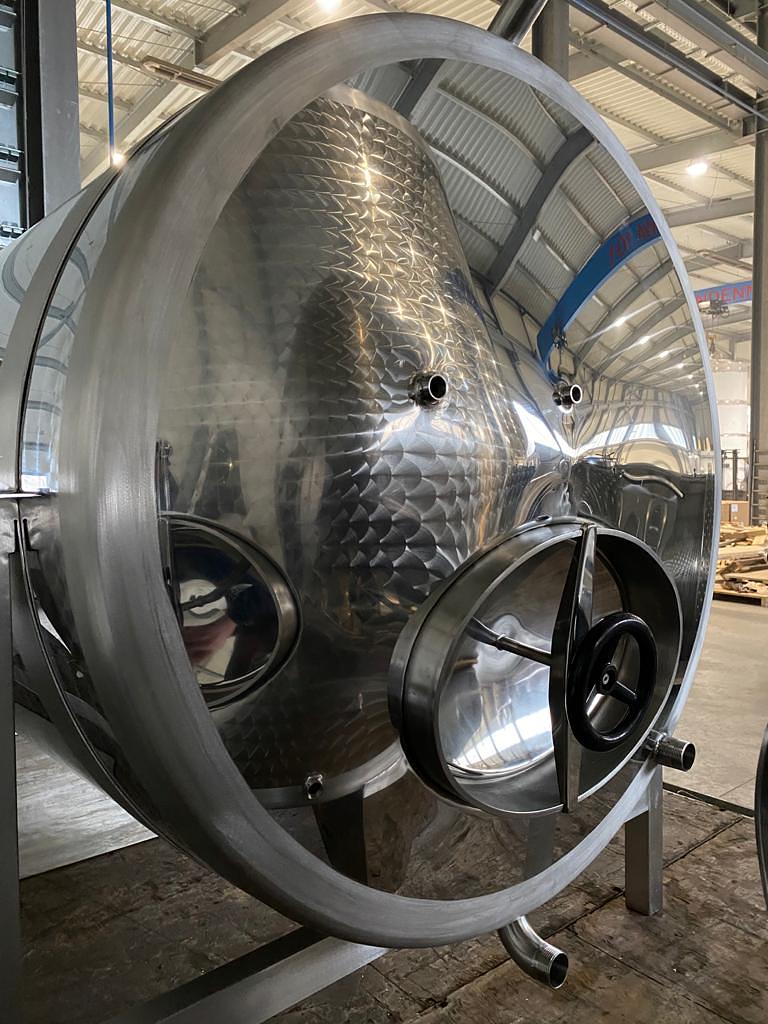
Where this comes from
This is drawn from direct experience specifying and sourcing tanks into food, beverage, chemical and distillery production, seeing where projects went smoothly and where they didn't. It's the reasoning behind how we've built our own new stainless steel tank supply, with the inspection and certification steps above built in as standard rather than offered as an upgrade.
If you're specifying a new tank and want a second opinion on the spec before it goes to quote, get in touch.